Statement on Pending Assisted Suicide Legislation
Statement on Pending Assisted Suicide Legislation
October 8, 2025
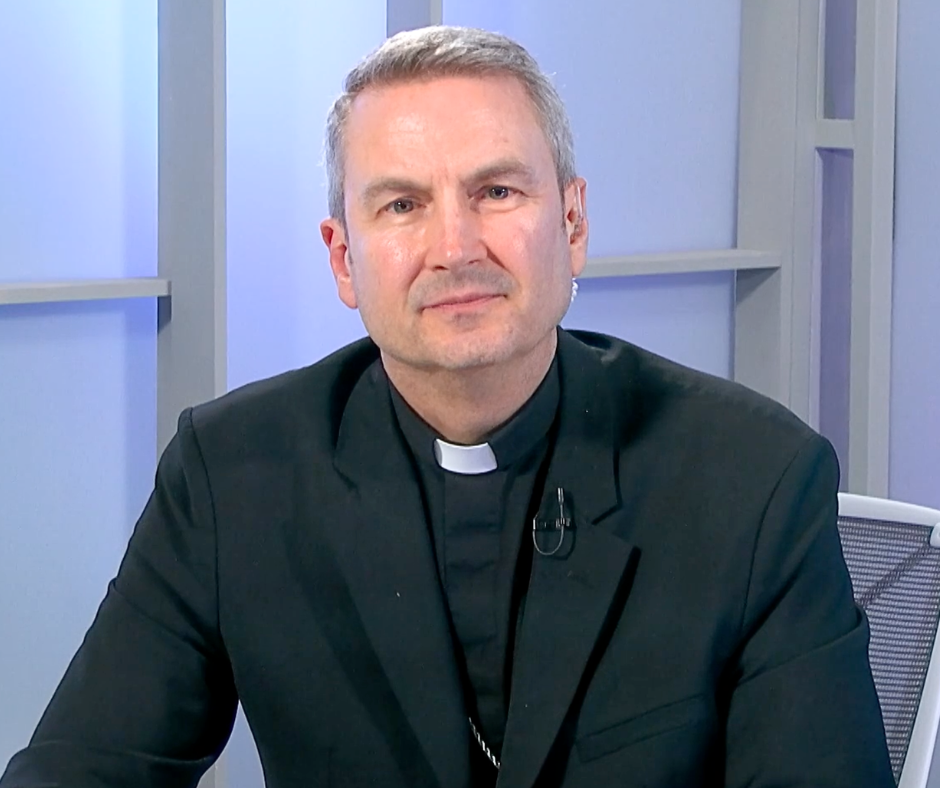
The following is a statement from Robert J. Bellafiore, a spokesman for the New York State Catholic Conference, regarding the physician-assisted suicide bill awaiting Executive action.
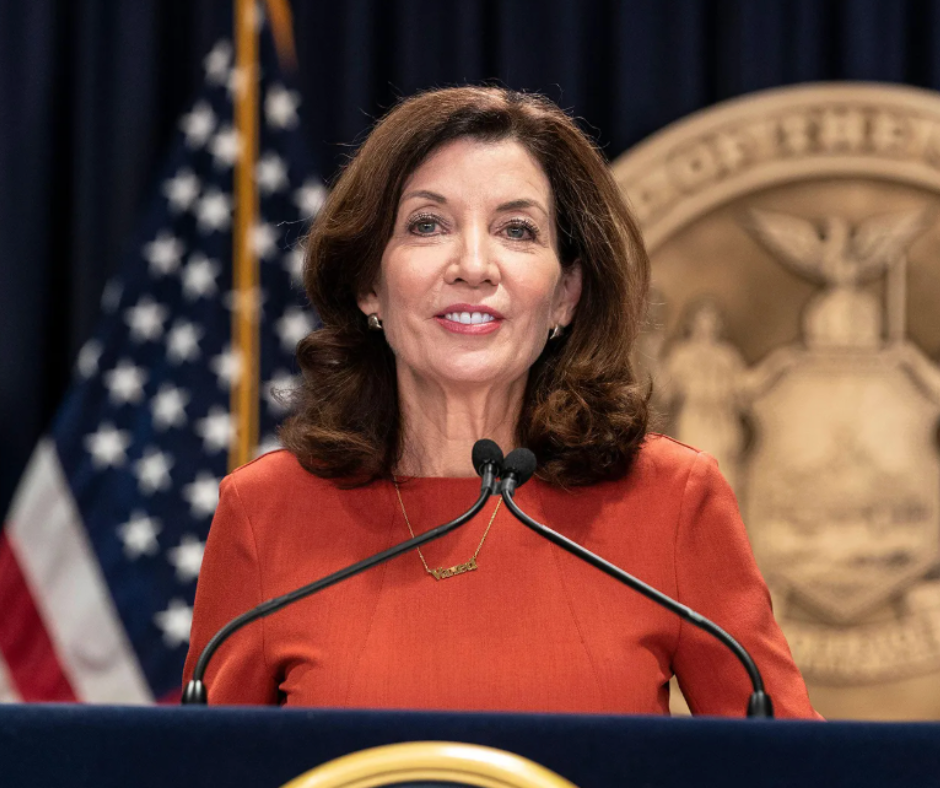
“If you asked 1,000 random New Yorkers for the top 20 things they want Governor Hochul to do, letting doctors help patients kill themselves wouldn’t even make the list. New Yorkers want their governor to continue to focus on affordability, jobs, public safety, housing, mental health and health care, education, and helping the most vulnerable."
“We’re glad Governor Hochul is taking this matter seriously, because any serious examination will determine this bill would give our state the most extreme, permissive, uncontrollable, unmanageable, and guardrail-free assisted suicide law in the nation.”
Here are the facts about the bill before Governor Hochul:
- The New York bill has no waiting period, making same-day suicides entirely possible.
- Notwithstanding the “mental capacity” rhetoric, the bill fails to require any type of evaluation of a patient’s mental health or mental capacity.
- Even worse, it fails to require doctors to ask if the patient has ever contemplated or attempted suicide before, or if they’ve ever been treated for depression, paranoia, dementia, anxiety, anorexia or any other mental health condition.
- Witnesses attesting to a person’s “mental capacity” could be someone who just met them literally one minute ago.
- The bill requires doctors to lie on death certificates by listing the underlying illness as the cause of death and not the ingestion of lethal drugs. This means no one would be able to answer the most basic question: how many physician-assisted suicides have been facilitated.
- As eloquently stated by Assembly Democratic Majority Leader Crystal Peoples-Stokes and numerous other female Assembly members of color, this bill puts already vulnerable communities at greater risk due to street drugs, inadequate health care and other structural inequities.