Climate Resilient New York Act: S3590-A Harckham
Climate Resilient New York Act: S3590-A Harckham
January 16, 2026
MEMORANDUM OF SUPPORT
S3590-A Harckham
In relation to enacting the Climate Resilient New York Act of 2026
This bill would establish the Office of Resilience within the Executive Chamber and a statewide resilience task force to assess and identify climate related threats. The bill also would mandate the development of a statewide resilience plan. Climate resilience is defined as the ability of a system (e.g., a community, ecosystem, business) to anticipate, prepare for, respond to, and recover from climate-related hazards. It's about building capacity to cope with changing climates and their impacts and bouncing back from disruptive events. This concept includes measures to reduce vulnerability to climate change and increase capacity to adapt.
The New York State Catholic Conference supports this legislation.
Severe storms, sewer overflows and other environmental hazards in New York have been exacerbated by several factors. The impacts of these events — which bring with them disruptions to local economies, infrastructure, and natural systems — should diminish when the state improves its ability to plan for storm events and implement permitting processes which will not allow homeowners and businesses to build structures in flood-prone areas. While state agencies individually have taken modest steps to address resiliency, their efforts are hampered by a lack of centralized coordination. This bill would address that problem by creating an Office of Resiliency in the Executive Chamber.
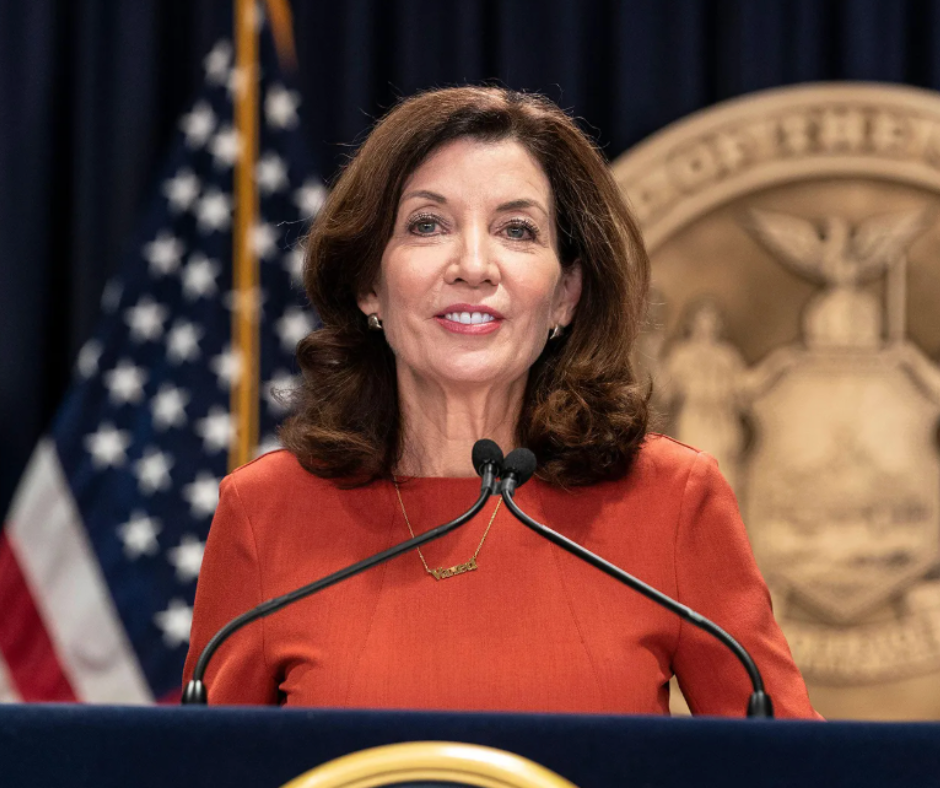
The bill would build upon the creation of a New York State Adaptation and Resilience Plan (Plan), as announced by Governor Hochul in April 2025. The Plan is intended to establish a statewide framework to align ongoing state climate adaptation planning and implementation efforts throughout New York communities as the state continues with efforts to enhance resiliency.
When severe storms or other environmental hazards occur, the populations most at risk generally are the state’s most poorest and most vulnerable citizens, who are most in need of protections via the state’s resources. We support enactment of this bill.